
A message arrives with an offer that appears to open the familiar marketplace, but the hostname contains an extra word or a substituted letter.
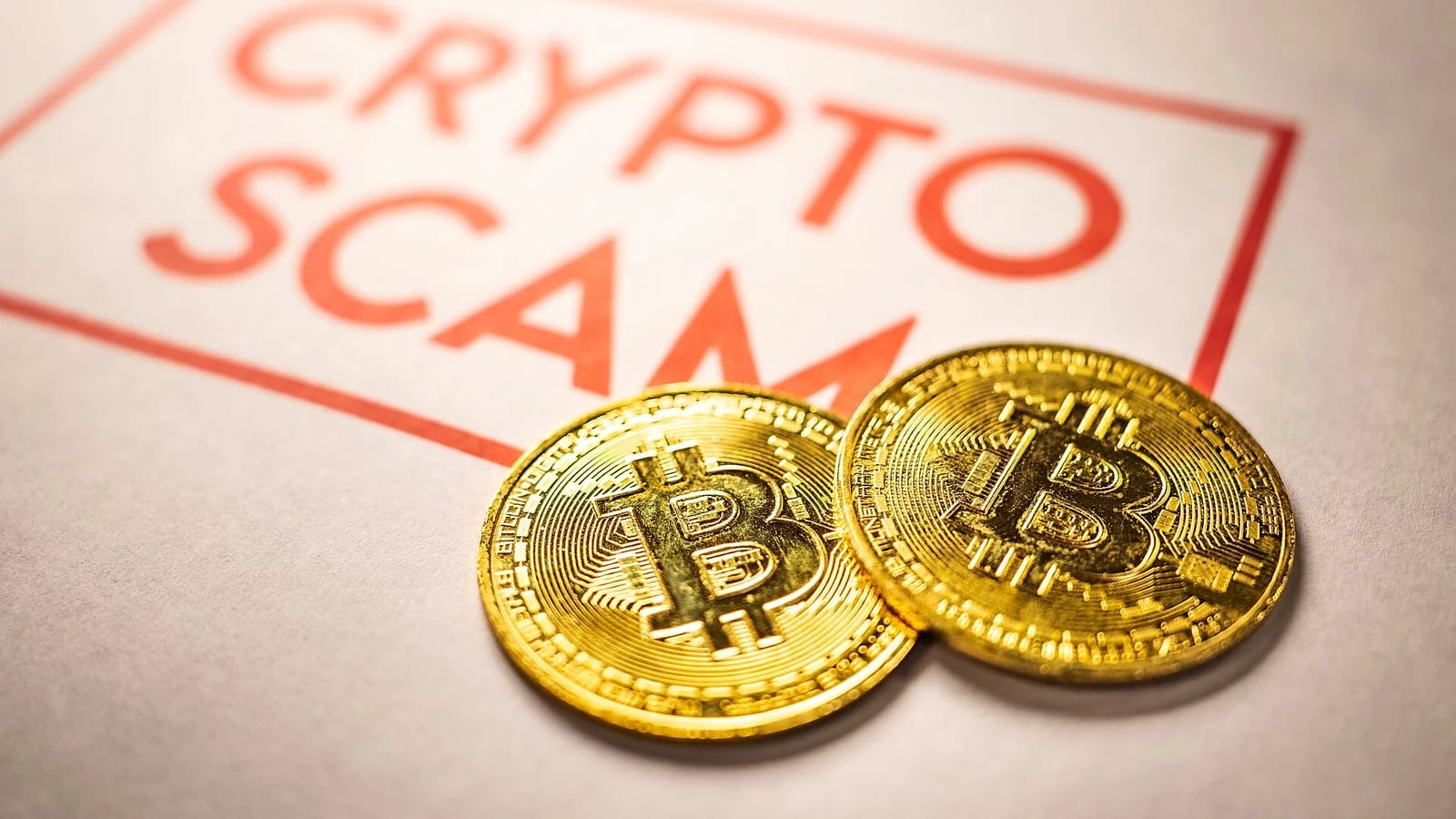
A crypto-scam warning provides context for checking an escrow site's real hostname.
A closer look at phishing domains
The visitor is asked to sign in and deposit crypto to activate escrow.
How fake escrow actually works
A lookalike webpage can copy fonts, badges, color schemes and support language. The crucial difference is the domain and the source of authority: an attacker controls the site even if its images resemble the original.
A transaction shaped by phishing domains
An attacker might send a webpage that perfectly reproduces a marketplace's colors while adding a short phrase to its hostname. A login submitted there reaches the attacker, even when the page uses HTTPS. Checking the complete address through an independent bookmark is therefore a more discriminating test than recognizing the visual design.
Verify the hostname before trusting the escrow design
A phishing site can reproduce the colors, token symbols, support language and countdown of a genuine marketplace. Its appearance does not establish that any assets are locked. The owner of the fraudulent domain may obtain passwords or wallet approvals simply by presenting a plausible login flow. A TLS certificate confirms that the browser connects securely to that hostname; it does not confirm that the business behind the hostname is authentic. The stronger check is to open the marketplace independently and locate the alleged order within the account already known to the user.
Suppose an advertiser sends a link to a special escrow room. Do not treat that message as the navigation source. Open the genuine site through a saved address and check whether the same order, balance and release conditions appear. If the order does not exist, there is no reason to enter credentials on the forwarded page. A demand for a seed phrase or separate 'safety wallet' transfer is especially suspect because those actions hand control to an unknown party rather than proving escrow.
The evidence to examine
Type or open the marketplace address from an independently saved bookmark. Inspect the full hostname and the browser's destination before entering credentials. Compare order identifiers in the authentic account and refuse a second wallet transfer described as an escrow setup charge. The broader examination of links supplied during negotiations is set out in safe evaluation of unexpected P2P login links.
- Read the full hostname of every unexpected login or payment page.
- Locate the corresponding order within the authentic account.
- Reject requests for recovery phrases or extra transfers described as escrow activation.
The weak link in the process
Phishing pages often exploit a genuine dispute by saying the user's funds must first be moved to a special safety wallet. This reverses the intended purpose of escrow and hands control directly to the attacker. A fake site may claim that a P2P crypto agent needs a setup payment. Shiftal Coin describes P2P risk controls without running such a payment flow.
The boundary between fact and assumption
Verification begins before login, not after a reassuring visual scan. Where the address cannot be authenticated, leave the page and return through the independently known route.
#PhishingDomains #FakeEscrow #SiteVerification